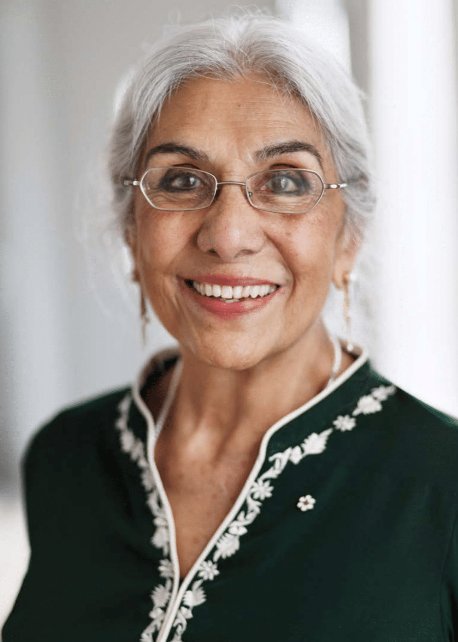
This column was originally published in the January 7th, 2012 edition of The Kingston Whig-Standard
Till we honestly talk about the values underpinning tribal patriarchy and their pervasive influence, our women and girls will continue to suffer simply because they are of the wrong gender. To have this focus does not diminish the suffering of other underprivileged groups such as certain racial or ethnic groups. But we have to make every effort to dismantle any teachings or practices ascribed to any religion or culture that demeans half of humanity. Enough is enough.
Fortunately, we live in an era that increasingly emphasizes the importance of universal human rights, and so vigilant civil-society organizations must take action to ensure these rights are practiced.
Tribal patriarchy worked well in the beginning of time, when humans quickly learnt that their survival chances were improved if they lived in groups, with assigned tasks. As females were essential to the tribe as bearers of future generations, the males had the task of providing shelter, food and safety for them and their young.
However, over the centuries, tribes developed more complicated systems, and protection and care of females and children became more restrictive with rules and taboos. These accorded power to males and tribal heads. Females were seen as dependent, weak and lacking in intelligence. These restrictions couched by males in the language of religion or culture, still exist today for many women.
In tribal patriarchy, some men are heads of family and state. Lesser males, women and children are therefore subjects to be ruled. If women are seen as child-like, not fully formed and incapable of intellectual thinking, then it follows that women must be controlled: by female genital mutilation, by physical separation by gender, by the practice of polygamy, by the insistence on patrilineal inheritance and by the justification of violence against women. This thinking goes further – it lays the blame and responsibility on women for the sexual behaviour of both men and women. Weak though she is, she is still made the bearer of tribal honour.
It is fair to state that all religions have tried to enhance the position of women. For example, Islamic teachings of the Quran can be seen as radical because women are given many rights and treated as intelligent, capable of functioning independently.
And yet, tragically, no religion, including Islam, fully dismantled the patriarchal structure for the community or the family. This has led to tensions between Islamic teachings regarding the equality of women with the tribal patriarchal model.
Violence against women and girls is a continuum, from the extremes of murder and killing to domestic control and limitations on women. The use of violence is justified as a tool of discipline for recalcitrant women and children.
The media coverage of the recent murders of four women in the Kingston area has focused more on the possible rationale for the killings than on the deaths of the women.
The concept of “honour killings” requires a column of its own, but this form of killing is the most extreme outcome of a system of social organization that asserts control over women and girls. Another recent issue in Canada related to patriarchy is polygamy. The discussion has focused on whether it is acceptable in our country to allow the practice. The arguments for the practice were based on religious freedom rather than the harm this causes women and their children. I find the argument weak that this is a choice individuals make and the state should not interfere in such matters. Thankfully the court decided against legalizing polygamy, but it is another example of how we bend over backwards to accommodate
practices citing the simple rationale that we must be non-judgemental and accept cultural
differences. Here comes cultural relativism again.
In Canada, we are all Canadian women and girls, and each of us must be protected from harmful practices whether the justification is based on culture, religion or racism. Surely we all agree that this has to be achieved by using the standard of universal human rights.