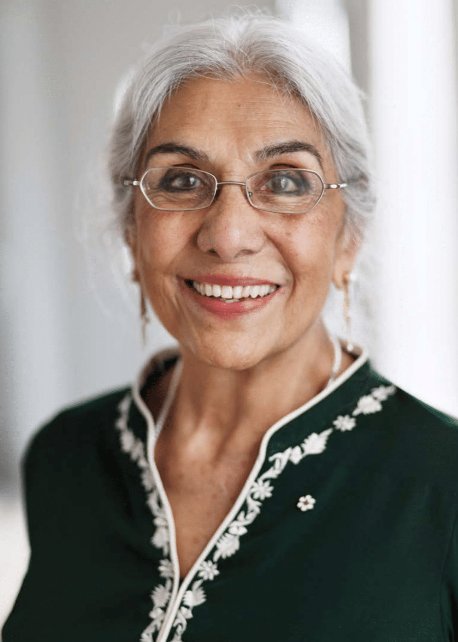
(Author: Alia Hogben)
There has been a spate of anti-Muslim acts of vandalism and racism, as a result of the murders in Quebec and Ottawa of the soldiers in November, by two men who were converts to Islam. Some mosques and Islamic centres have been targeted, including the Kingston one.
I know there are some who think that this is an expected reaction, but I beg to differ. Our organization, the Canadian Council of Muslim Women, received a couple of nasty email messages telling us to go back from whence we came. Wonder where they would return the two killers whose background was “French Canadian?”
It bears repeating that no one community should be targeted for the misdeeds of some individuals. Most of us Muslims are as horrified as anyone else and many of us have made public statements expressing our condemnation of these violent acts. Surely the world has learnt some lessons that whole communities cannot bear the collective guilt of individuals’ actions. Correctly, no one now views Jewish people as anti – Christ nor see all Germans as Nazis.
Along with these acts of violence against Muslims and mosques, there was also overwhelming support and caring. The recent example of the Kingston Islamic Centre’s vandalism was met with so much good will that it warms our hearts.
A recent Angus Reid report, November 2014, on homegrown terrorism and radicalization in Canada has statistics, which show the mixed reaction of Canadians.
It may not have been overtly stated by the Angus Reid poll, but it was assumed that the questions were about Muslims.
Half of those polled think “homegrown” terrorism is a serious threat, and the “causes of radicalization” are religion/culture; mental illness and feelings of marginalization.
Half of those polled think that Bill C-44 –which gives increased powers to the Canadian Security Intelligence Service – is a good thing, but one quarter believe that the Bill impinges on civil liberties.
In response to how radicalization can be prevented, 87% said the federal government should fund programs aimed at training mental health professionals to identify the signs of radicalization. The other locations which could have a role are schools, the internet, the family and the home. Few thought that funding mosques was a good idea.
Regarding the role of Muslims, half the population see Muslims as “partners” in fighting radicalization, while the other half considers Muslim communities as part of the problem. A high percentage – 73% – blamed the Muslim leadership for not speaking out more strongly against the murders. But many did speak out but were not always noticed.
I am not surprised that there is quite a bit of support for religious symbols such as the Jewish kippa, the Star of David, and the Christian crucifix. However, there was less support for the Sikh kirpan, the Muslim hijab and even less for the niqab or face covering.
Another poll by Leger focused on an assessment of racism and stereotyping. The general opinion on specific categories of people found that 64% approved of Jews; immigrants got a rating of 62%, and Muslims of 35%.
So what does one make of all these statistics that Canadians are split on a number of issues, no clear consensus has emerged and Muslims are viewed fairly negatively? What do these signify for non- Muslims, but more so for Canadian Muslim children and youth?
What role could political leaders play in this difficult situation?
How does it advance positive community relations, when our federal government, in the process of passing legislation to amend various Acts, calls the Bill S-7 “Zero Tolerance for Barbaric Cultural Practices Act?”
This Act is aimed at barbaric immigrants who will bring into pristine Canada practises such as polygamy, forced marriages and the use of legal justification of “provocation,” when they practise so called honour killings.
There is some good in these proposed changes which we can support, but the racist labeling is sickening and, to many of us, seems to target some communities blatantly.
Will these changes apply to the Mormons of B.C who have been using many of these “barbaric” practices since the 1950s? But I stand corrected; because of course they are not barbaric, because they are Christians and Caucasians and civilized…
Our organization has been vocal in fighting against the label of “honour killing” as we would like these murders to be named femicide, under gender based violence. It is racist and degrading to label some murders by the rationale provided by the killer.
Also as far as I know, no “honour killing murderer” has used provocation as a legal defence so why is this being added for this practice?
We are glad that our organization has been invited to present before the Senate Committee on Human Rights regarding our thinking and feelings on Bill S-7. But will anyone listen?